
Report Back
Anne’s thoughts from the field, accumulated over 20+ years of experience in donor recognition, stewardship and philanthropic placemaking. To explore the subject further, check out more of Anne’s writing alongside other industry professionals in the Journal of Donor Relations & Stewardship.
Subscribe to post notifications:
Series: How to Build Change into Your Donor Recognition Strategy
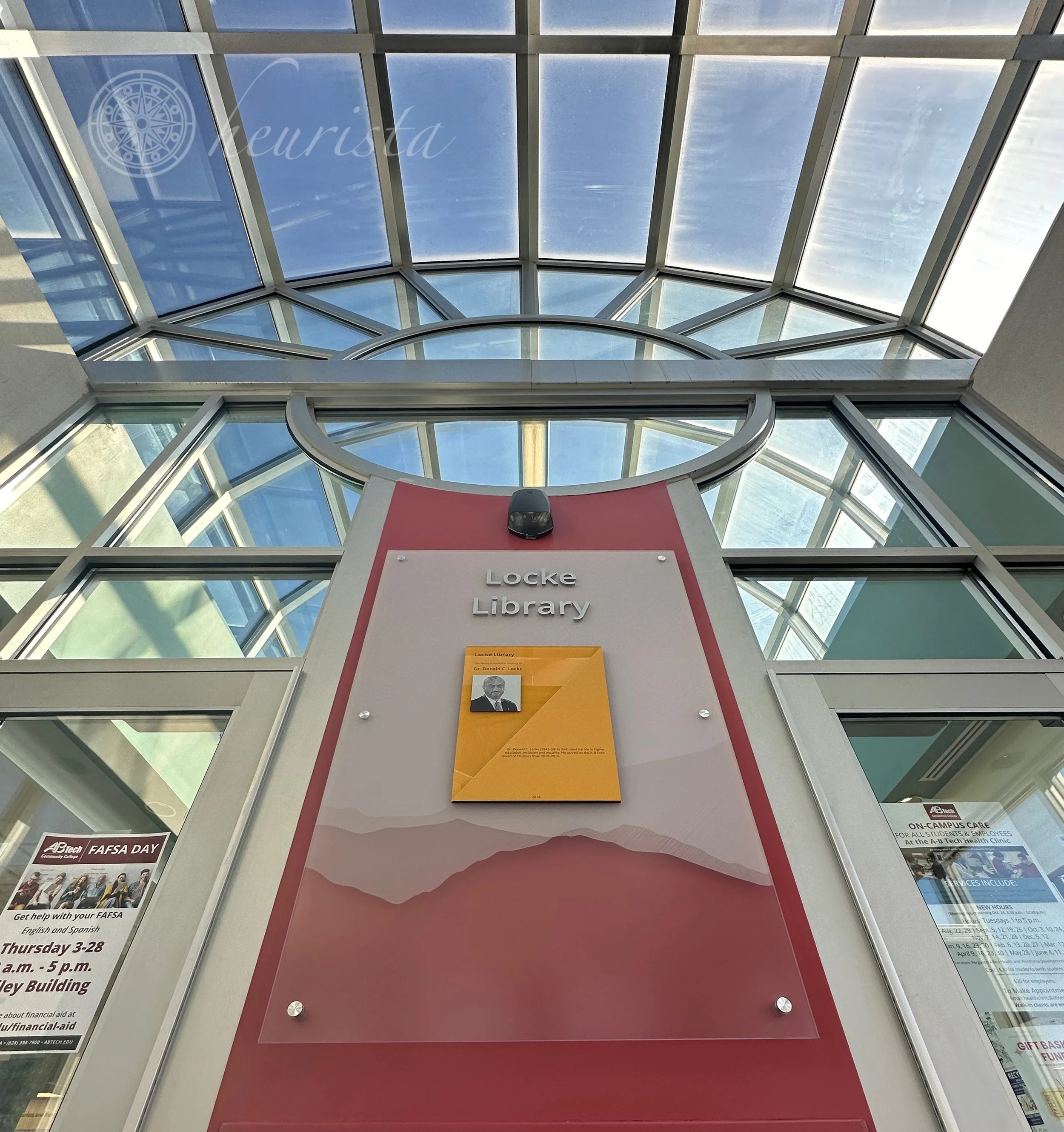
Strategy isn’t static. After 20 years in this field, I’ve seen that firsthand. Flexibility is key, and a successful donor recognition program will have to change over time. I also believe you can plan for change. Part of that is understanding the factors that could cause fluctuations in your donor recognition program.

Series: Analyzing ROI in Donor Recognition
When donor recognition strategies lack strategic objectives, all an organization can measure is the volume of activity and subjective feedback. Those are valid elements to measure. But if that’s all you’re looking at, you’re missing out on the bigger impact your work is having on the institution as a whole.

Series: Donor Program Management Tools
Effective donor recognition can’t happen in a bubble. It’s got to be a group effort. Internal and external teams must align on objectives, roles, budgets, and schedules to create standards around all types of donor recognition. The final product of that collaboration is a living document, keeping everyone on the same page with the occasional update or edit.
Series: How to Make Permanent Public Donor Recognition Work for You
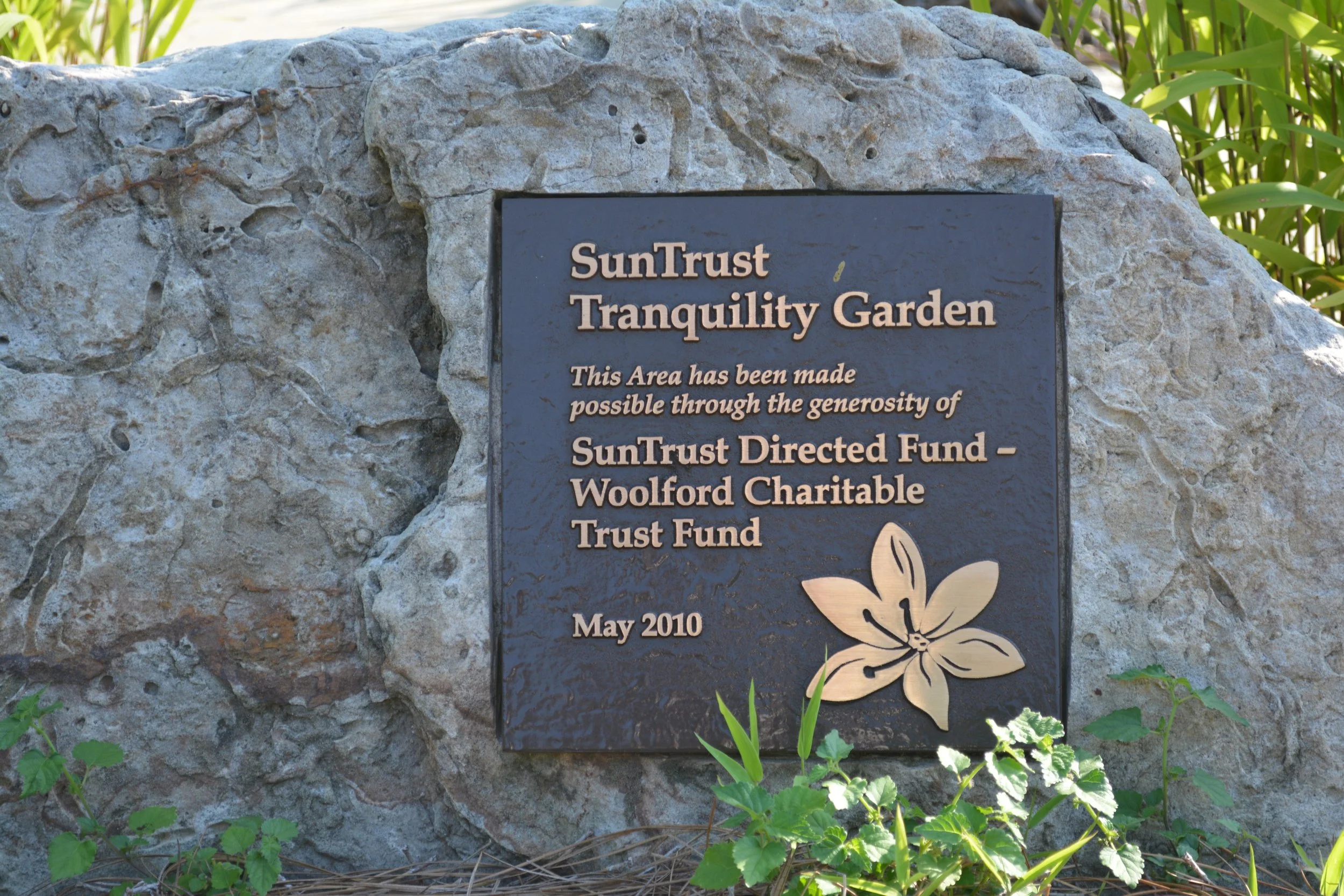
Donor recognition on campus is inherently public and usually permanent. It is an investment that warrants careful coordination with the architecture surrounding it, the organization’s messaging standards, and the routine practices of those who will be responsible for maintaining it. Donor recognition in a facility must communicate the organization’s attitude toward philanthropy without one needing to read a single word.

Series: Donor Recognition Program Design
Regardless of the type, every donor recognition activity should be structured so that it provides benefits to the organization, as well as to the donor. Obviously, it would be wrong to take advantage of the donor or violate a request for anonymity. Maximizing every investment, however, is an obligation of good stewardship, and it can be done tastefully, with no compromise to the donor experience.
Series: The Donor is Everything in Donor Recognition – True or False?
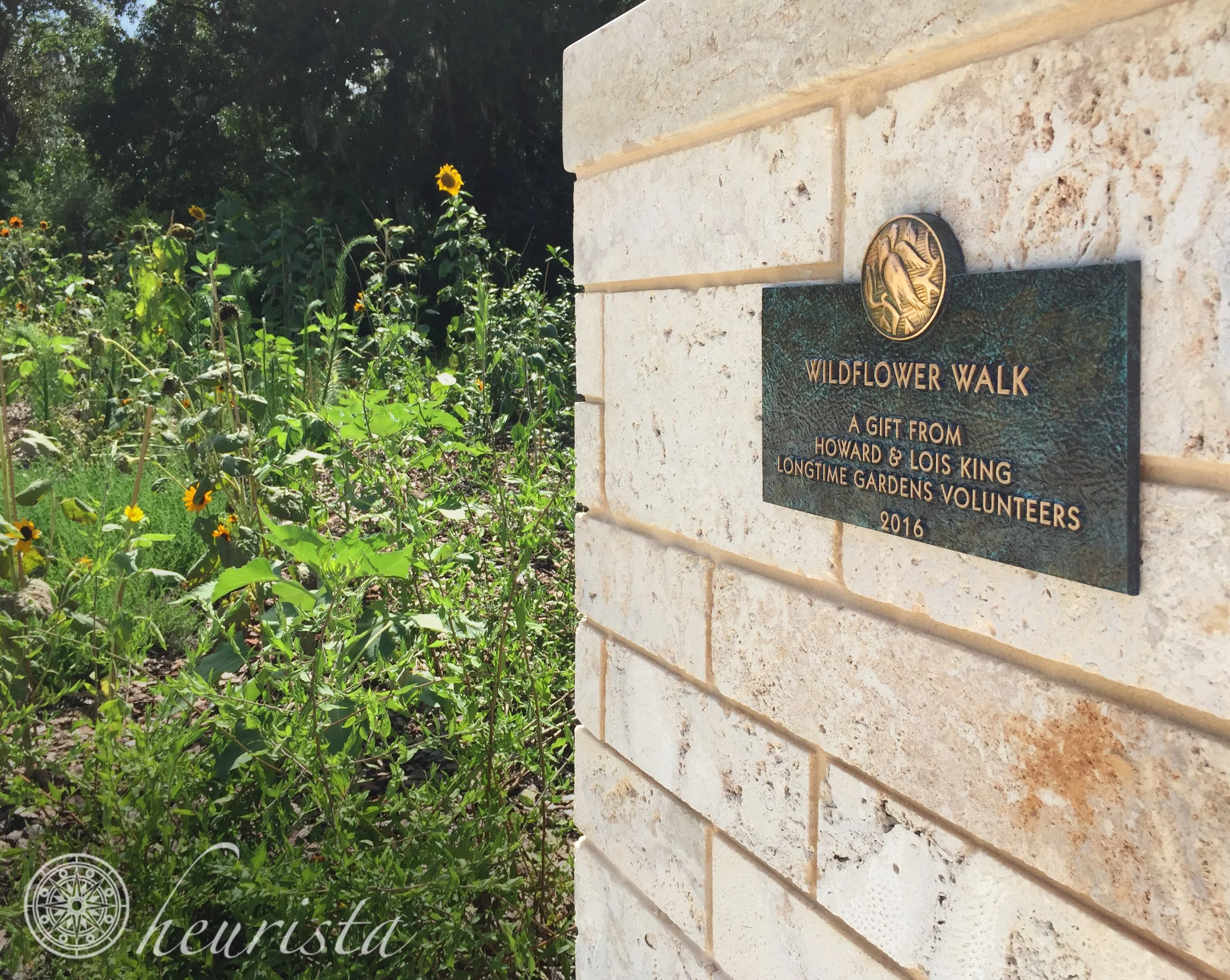
Organizations often misinterpret the concept of “donor-centric” and establish subjective goals like “surprising and delighting” donors. It’s always good to excel in the expression of gratitude, but setting this as a goal is not a substitute for a fully formed donor recognition strategy. An organization must strive to achieve the greatest impact with the time and money invested — not just with the donor, but with its entire community.
Series: Finding Meaning in the ‘Parties, Pins, and Plaques’
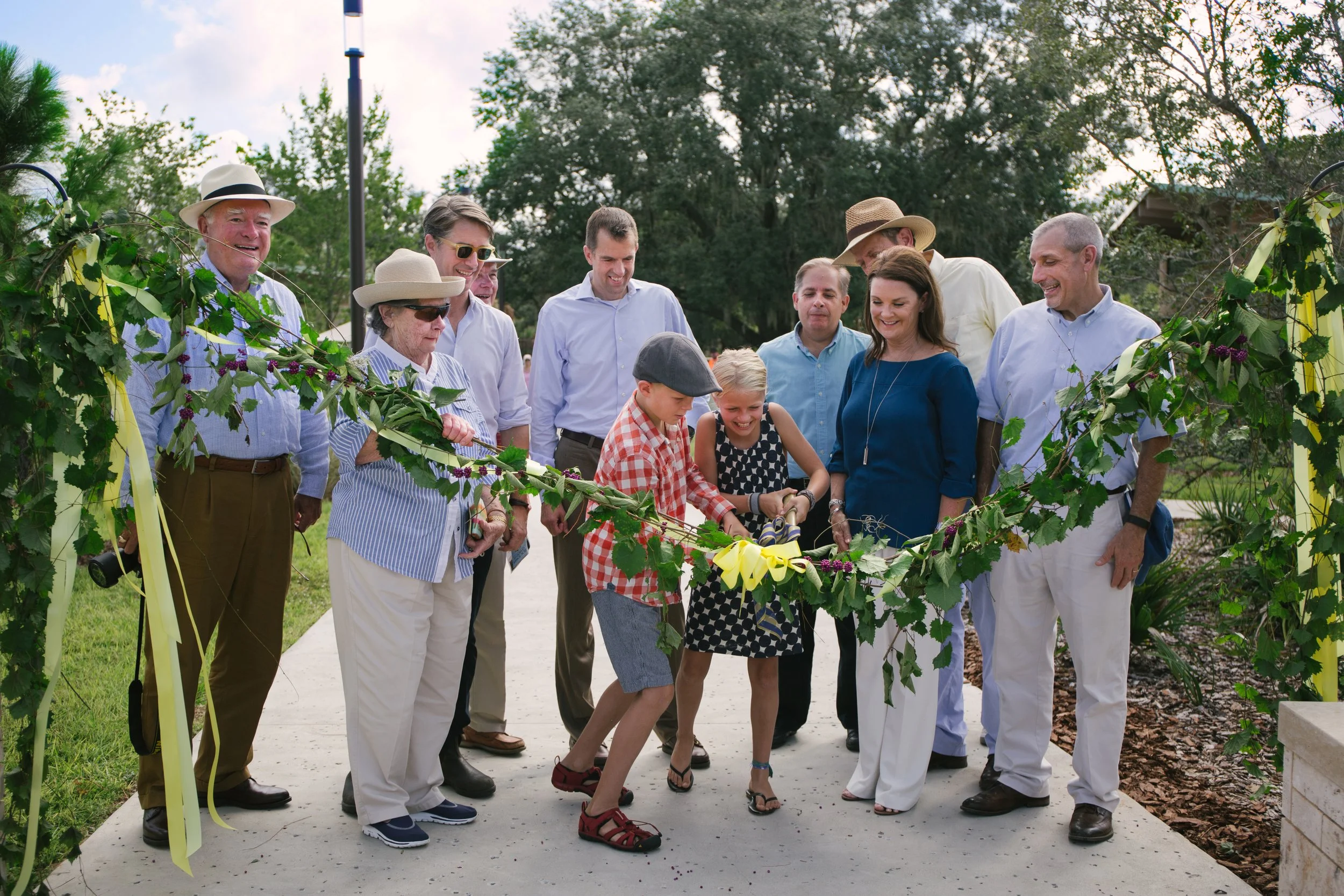
Donor recognition is sometimes loosely defined as “parties, pins, and plaques.” That’s because many institutions think about donor recognition in an isolated way, limited to the variety of activities or objects used to show appreciation for a donor, both publicly and privately. There's not always enough thought put into how to make the outcome – the party, the pin, or the plaque – specific to the donor, the organization, and the relationship they share.

Series: Why Donor Recognition Matters
When it’s done right, donor recognition can be a powerful tool in your fundraising arsenal. It expresses appreciation to the donor or donors, shows the broader community how much your donors mean to your organization, and ultimately, contributes to increased giving from new and existing donors.